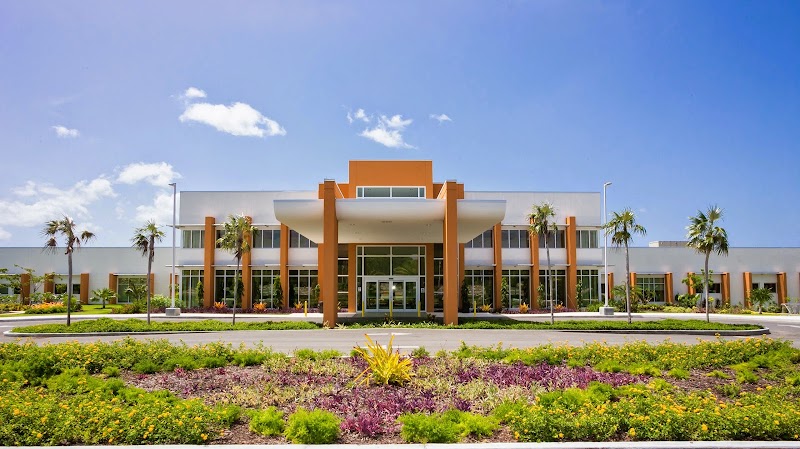
Financial services anchors Grand Cayman's expat population: banking, fund administration, insurance, and the law and accounting firms that support them. Tourism and hospitality bring the next wave, and a growing healthcare sector has built up around Health City Cayman Islands. Whatever brings you, the work permit is what makes the move legal, and the arrangement surprises some people: your employer sponsors the permit, not you. The Department of Workforce Opportunities and Residency Cayman (WORC) administers the system, and the law is explicit that employees cannot pay permit fees themselves. That cost sits with the employer, full stop. In practice your employer's HR team or a local immigration attorney drives the paperwork, and your job is mostly to supply documents on request; for professional services roles, the firms in the legal directory often handle immigration filings directly, so ask early who is managing yours. The upside that makes the whole calculation work for many people: Cayman levies no personal income tax, no capital gains tax, and no wealth tax.
Once you accept an offer, the split is clean. Your employer files the permit application with WORC, pays the fees, and handles the local end, including advertising the role where required and showing that no qualified Caymanian was available. What lands on your desk is document collection. Start it immediately, because certified paperwork takes time to assemble: a police clearance certificate from your current country of residence (and any country you've lived in recently), plus a medical exam, with your employer or their immigration counsel telling you which clinic and forms their permit type requires. Bring more original and certified documents than seems reasonable. Birth certificate, marriage certificate if applicable, university degrees, professional certifications, reference letters both professional and from your bank at home. Cayman's banks and WORC lean on notarized copies rather than photocopies, so get documents apostilled or notarized before you leave; arranging it from the island is slower and more frustrating. If your employer has no in-house support, a local immigration attorney can check your document list against your permit category. Our guide to finding a lawyer in Cayman covers how to pick one for that or for the property, will, and family matters that tend to come up once you've settled in.
Open a bank account the moment you land. Cayman's know-your-customer rules are strict, and approval can take a few weeks, so the sooner the application goes in, the sooner paying rent and setting up utilities stops being awkward. Banks certify your original passport in person (this is not a mail-in process), and they will ask for your work permit letter or Cayman status document, proof of address such as a utility bill or signed lease no older than three months, an employment letter confirming role and salary, and often a reference letter from your bank back home. The bank directory lists the retail banks; some are noticeably more practiced at onboarding new work-permit holders than others, so ask colleagues where they bank. Phones are simpler. FLOW and Digicel are the two carriers, both sell prepaid SIMs at their retail stores against your passport, and plans shift often enough that a quick comparison of current pricing pays for itself. For home internet, FLOW and Logic are the main fixed-line options. CUC is the electricity utility, and new accounts typically require a security deposit, so budget for that on top of the first bill.
Cayman drives on the left. Most arrivals stop thinking about it within a week, though roundabouts keep you honest a little longer. If you hold a licence from a Geneva Convention country you can drive on it for a period after arrival, and DVDL (the Department of Vehicle and Drivers' Licensing) runs an exchange process that converts eligible foreign licences to a Cayman one without retesting. Eligibility is country-specific and the qualifying list changes, so confirm your own case directly with DVDL instead of assuming, and start the conversion early rather than at the deadline of your visitor-driving window. Most people buy a car within the first couple of months; public transit is limited, and short distances still add up without one. Japanese and Korean makes hold their value best and are the easiest to service locally, partly because so much of the used fleet is already Japanese-import stock. Ecaytrade is the default marketplace for private used-car sales, alongside dealer lots and local Facebook groups. Check parts availability before committing to anything unusual, and find a mechanic in the auto services directory before you need one, not after.
Rent for your first year, even if buying is the plan. A year of renting teaches you the island's geography before you commit to a neighborhood, and neighborhoods here price very differently. Seven Mile Beach, South Sound, and Camana Bay are where much of the financial-services crowd lands: close to schools, gyms, and the George Town office corridor, and priced accordingly. George Town proper, Savannah, and Bodden Town run noticeably cheaper for comparable space, at the cost of a 15 to 25 minute drive to the same amenities. Landlords typically want a security deposit alongside the first month's rent, so set your housing budget beyond the monthly figure. Work with a CIREBA-affiliated agent; CIREBA is the island's professional real estate association, it runs the MLS that most listings actually flow through, and an affiliated agent sees more inventory than what gets posted publicly. Buying later is unusually open here. Cayman places no restrictions on foreign ownership, so you don't need residency or citizenship to hold freehold title. Stamp duty applies on transfers and is large enough to plan around; get a current quote from your attorney or agent before making an offer. The real estate directory includes agents who work with relocating professionals specifically, and if Camana Bay is on your shortlist, our guide to buying property in Camana Bay covers that market in more detail.
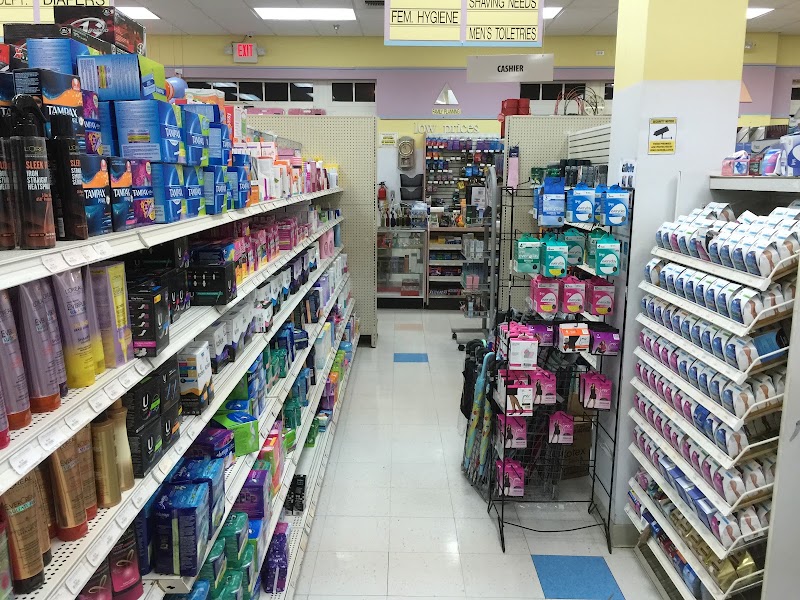
Health insurance is a legal requirement for every resident, and for work-permit holders the obligation sits with your employer as a condition of the permit. Ask HR exactly what the plan covers before you need it. Base-level employer plans satisfy the legal minimum and not much more; the common gaps are specialist care, medical evacuation, and dependents' coverage, and many expats add a supplemental policy once they see what the base plan pays for. The care itself outperforms the island's size. Cayman Islands Hospital in George Town is the public facility and handles most general and emergency care. Health City Cayman Islands, out in East End, is a private tertiary hospital built around cardiac and orthopedic work that draws patients from the US as a lower-cost option for a range of procedures. Doctors Hospital in George Town covers general practice, specialists, and outpatient services, and it is a common first stop for routine care. Pharmacies cluster around George Town and Camana Bay, many doubling as general health and beauty stores. Register with a GP from the medical directory before you need one.
Almost everything on the shelf arrived by boat or plane, and the price says so. Groceries, restaurant meals, and utilities all run higher than in the US or UK, and the first big grocery run tends to sting even when you think you've braced for it. The Cayman Islands dollar is pegged to the US dollar at CI$1 = US$1.20, so the exchange rate is never the variable; import duty and shipping are baked into everything from milk to lumber, and that is simply what things cost. No income tax offsets a lot of this for salaried professionals, since nothing federal, state, or local comes out of the paycheck, but it is easy to overestimate how far that stretches once rent, insurance, and school fees are in the mix. Build the first budget from actual Cayman prices rather than a mental conversion from home, and expect utilities to run high, air conditioning above all in the summer months. The grocery shopping guide will calibrate expectations before the first big shop.
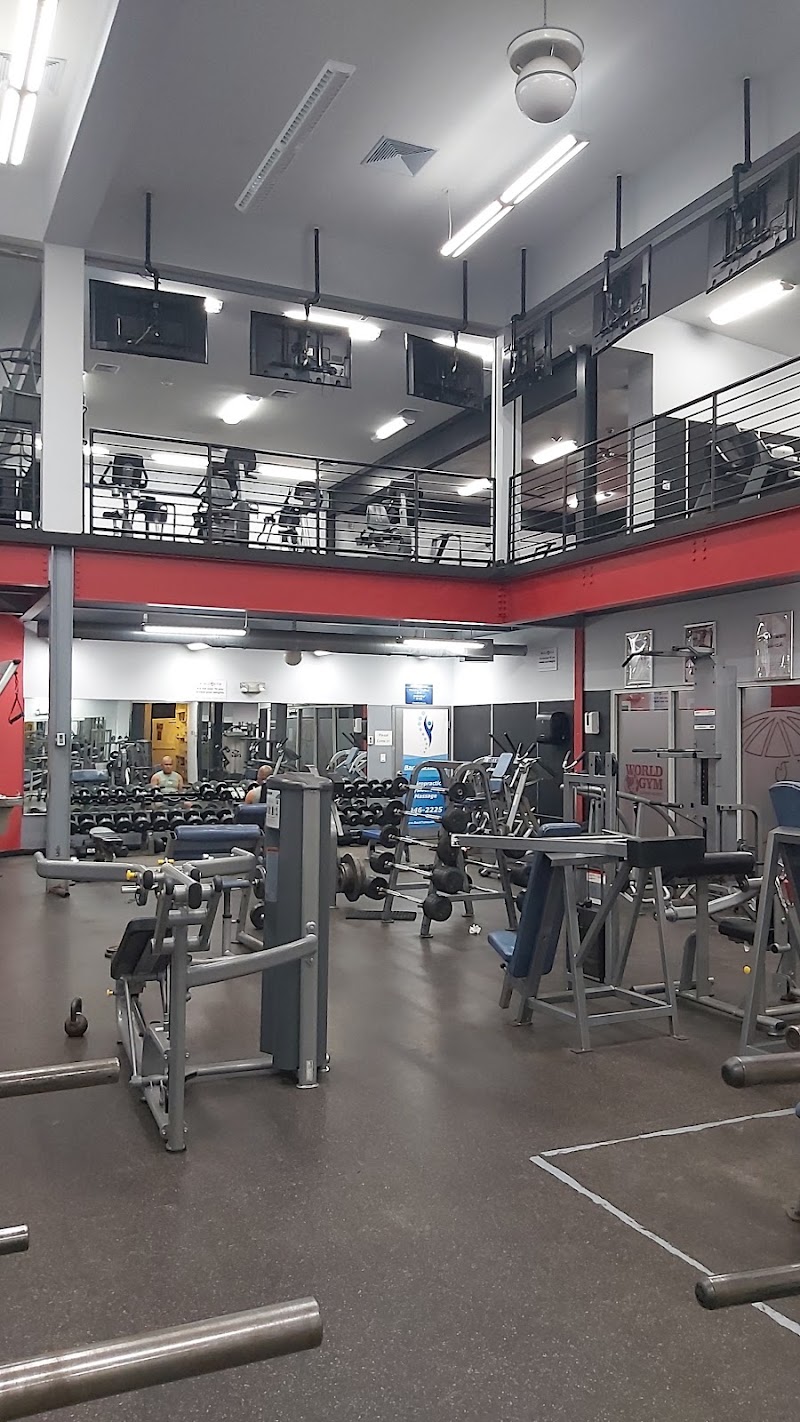
Moving with kids changes the order of operations: start the school search before you finalize housing. Work-permit families generally use private schools, the better-regarded ones (British, American, or IB curricula) run waitlists, and spots for the following academic year fill well in advance. Ask a prospective employer about a school allowance; the benefit is common in financial services packages and materially changes your options. Social life organizes around a handful of hubs, Camana Bay events and Seven Mile Beach running and swimming groups among them, and the diving and watersports scene runs deeper than most newcomers expect. Check the gyms directory in your first week, since many gyms run new-member promotions you can time your join date around. Pets need the longest runway of all. The Department of Agriculture issues import permits and requires an ISO microchip, up-to-date vaccinations including rabies, and a rabies antibody titer test completed well before travel; there is no quarantine facility on island to fall back on if the paperwork is incomplete. And wherever you settle, expect George Town and Camana Bay to hold most of the offices, services, and appointments, so factor the drive into your housing choice.
A few questions come up in nearly every relocation conversation, so here are straight answers.
Can my spouse work while I'm on a work permit? Not automatically. A work permit ties one person to one job with one employer, so a spouse or partner who wants to work needs their own permit sponsored by their own employer.
How long does a work permit take to come through? Longer than you'd like, and it varies by permit type and role. Your employer or their immigration counsel manages the WORC filing, so ask them for a realistic estimate for your specific case, and start collecting your own documents (police clearance, medical exam) early enough that you're never the bottleneck.
Do I actually need a car? For most people, yes. Public transit is limited, and while the island is small, most jobs, schools, and errands sit beyond comfortable walking distance of most housing. Budget for one from the start.
Is it hard to open a bank account as a new arrival? Not hard, but it takes real paperwork and in-person time. Banks certify your original passport face to face and want proof of address, an employment letter, and often a reference from your home bank. Start in your first week, not your first month.