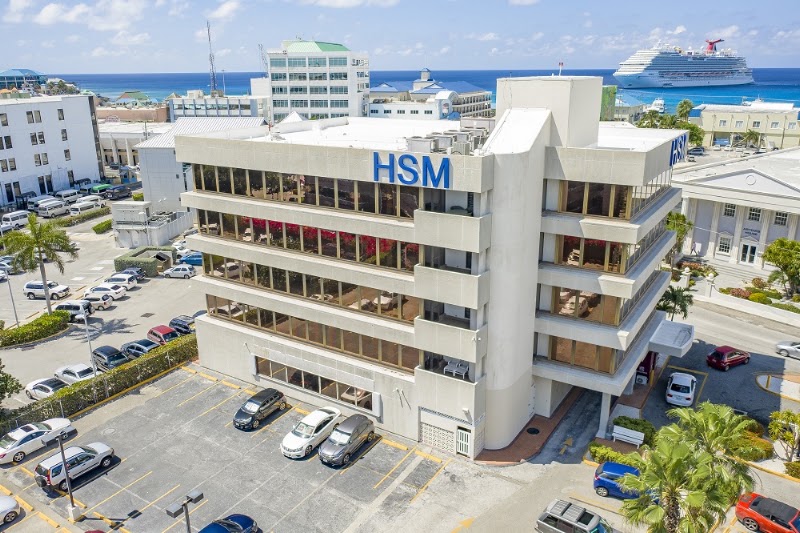
Cayman's legal sector splits cleanly into two worlds, and knowing which one you need saves a lot of wasted phone calls. The famous half is the offshore bar: global firms like Maples Group, Walkers, Ogier, Appleby, Harneys, Conyers, Mourant, and Carey Olsen, most clustered around George Town and Camana Bay, that structure funds, run corporate finance deals, and handle regulatory work for companies incorporated here. None of that is what a resident buying a house or writing a will needs, and calling one of those firms for a personal matter is a fast way to get redirected. The firms that do the personal, private-client side of the practice, closing a house purchase, drafting a will, handling a work permit appeal, sorting out a divorce, tend to be smaller and less internationally known. HSM Chambers, Travers Thorp Alberga, and Campbells are three examples of firms that combine broader practices with real personal and private-client work, and a look at their sites shows the difference in emphasis compared to the offshore names above. Browse the full legal directory and look past the big offshore names for firms that list conveyancing, family law, or immigration among their practice areas.
Buying or selling property here almost always goes through an attorney, and not as an optional extra. Once you and the seller agree a price, an attorney handles the title search, drafts and reviews the sale agreement, calculates stamp duty, and manages the closing. Cayman's mix of individually held, company-held, and strata-titled property means that title search carries more weight here than it might elsewhere. Line up your attorney before you make an offer rather than after, especially if you're buying through a company or from overseas, since those structures add steps to the closing. The real estate directory lists agents who work alongside these attorneys regularly and can usually point you to one; the moving to Grand Cayman guide and the cost of living guide both cover how stamp duty and closing costs fit into a relocation budget.
Sort out a will early, and not just because it's the responsible thing to do. If you already have a will from your home country, Cayman generally still requires its own step to deal with assets held here: usually a process called resealing, where the Grand Court gives your existing foreign grant of probate local effect. It's faster and cheaper than opening a full separate Cayman probate, but the court reviews each application rather than rubber-stamping it, and it only works cleanly if your existing will and grant are in order. That's the argument for having a Cayman-specific will drafted, or at least reviewed, once you own property or hold meaningful assets on the island. Ask any firm handling estate work whether resealing or a fresh local grant fits your situation before assuming either one applies.
Immigration work splits by who's actually applying. Work permits are employer-sponsored, and in most cases your employer or their HR team drives that paperwork directly with WORC, the Department of Workforce Opportunities and Residency Cayman, bringing in an attorney only if they want outside help; the moving to Grand Cayman guide covers how that process plays out for new arrivals. Permanent residency applications are a different matter: more paperwork, tighter scoring, more room for a small mistake to cost you, and it's common for applicants to bring in an immigration attorney to build the file properly. It matters even more if an application gets refused. Appealing to the Immigration Appeals Tribunal runs on a hard 28-day deadline to file notice, and another 28 days for the detailed grounds once WORC issues its appeals statement, so this isn't a case where finding a lawyer next month still works.
Family law, employment disputes, and small business setup round out most of what personal and private clients bring to a Cayman attorney. Divorce, custody, and maintenance matters go through the Family Division of the Grand Court, and a local attorney knows how that process actually runs day to day in a way general advice online can't replicate. Employment disputes, wrongful dismissal, unpaid wages, disagreements over notice or severance, come up often enough on an island this size that a few firms specialize in it, so check a firm's site before assuming a generalist can handle it. Setting up a small business, registering a company, drafting shareholder or partnership agreements, sorting out a trade and business licence, is routine work for the same firms doing conveyancing and family law. Have a lawyer review any agreement before you sign it with a partner or landlord.
Cayman runs on English common law with local statutory amendments layered on top, so anyone who's dealt with a solicitor in the UK or a similar Commonwealth system will find the underlying approach familiar even where procedure differs. Lawyers here are admitted and practice as attorneys-at-law rather than under England's split solicitor and barrister system. The Cayman Islands Legal Practitioners Association, CILPA, formed in 2018 when the old Law Society and the Caymanian Bar Association merged, and it remains the professional body most working attorneys belong to. Oversight of the profession has been shifting to newer regulatory bodies in recent years, so if a firm's standing is ever in question, the Cayman Islands Judicial Administration's professional listings at judicial.ky are the place to check rather than guessing.
Most firms list their practice areas on their websites, and that's the fastest filter: look for conveyancing, private client, family law, or immigration specifically rather than a firm's headline funds or corporate practice. It's reasonable to ask upfront whether a firm quotes a fixed fee for straightforward conveyancing rather than billing by the hour, since a lot of personal work here is routine enough to price that way, though not every firm will. Expect an initial consultation and, for anything beyond a quick question, a signed engagement letter and a retainer before work starts; ask what the retainer covers and how additional time gets billed. Not every legal problem needs a lawyer. A Justice of the Peace can certify a copy of a document for local use at no charge, and a paid Notary Public only comes into play when a document is headed overseas. Small civil disputes, generally under CI$20,000, go through the Summary Court rather than the Grand Court, and the court itself encourages people to represent themselves when the amount at stake doesn't justify legal fees. Limited legal aid also exists for people who can't afford representation in civil matters, granted case by case once the Legal Aid Office is satisfied the claim has a reasonable chance of succeeding, with details on the Cayman Islands Law Courts website. None of this is legal advice, and the specifics of your situation call for a conversation with an attorney, not a guess from a guide.
How do I find a lawyer in the Cayman Islands? Start with the legal directory and filter by what you actually need rather than firm size; a firm's website practice-area list is the fastest signal, and personal referrals from other residents in George Town or your own network carry weight on an island this size.
Do I need a local attorney to buy property? In practice, yes. Attorneys handle the title search, contract, and closing on essentially every Cayman property transaction, and lining one up before you make an offer avoids delays once you're under contract.
What do lawyers cost in Cayman? It varies by firm and matter, and most firms don't publish rates. Ask directly whether a fixed fee applies to routine work like conveyancing, and get a clear engagement letter before anything starts so you know how time and retainers get billed.
Is there legal aid in the Cayman Islands? Yes, for eligible civil and criminal matters, though it's means-tested and granted case by case rather than automatic. The Legal Aid Office under the Cayman Islands Law Courts handles applications.